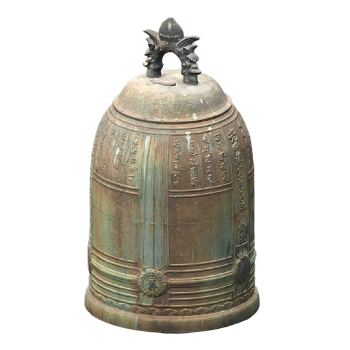



Korean Koryo period bronze basin "pilgrimage inscription bronze binaural basin"
The charm of this relic lies in the fine decoration of its silver inlay: the five-character and four-line poem is intertwined with the image of the child. These poems, which evoke the concepts of no attachment and no duality, were written by Buddhist monks. One of the main decorative elements of this basin is that a child, probably a young Buddhist pilgrim named Sultanna, goes on a long spiritual journey in search of enlightenment. This bronze basin was made during the Koryo period (918-1392) between 1100 and 1200 AD. The basin was sold by London Gallery Limited to the Cleveland Museum of Art.

Korean Koryo period inlaid porcelain "chrysanthemum and peony inlaid hip flask"
This relic is inlaid porcelain decorated with chrysanthemum and peony patterns, made in the 1100 AD generation. Porcelain from the Koryo period (AD 918-1392) South Korea. This piece of porcelain is made of celadon and is decorated with white and black slip glaze. This piece of porcelain has an outer diameter of 15cm and a height of 18.8cm. The shape of this porcelain resembles a melon, inlaid with delicate chrysanthemum and peony patterns. In South Korea the flowers and leaves of chrysanthemum are used to make chrysanthemum wine. Chrysanthemum wine is enjoyed by people on the Double Ninth Festival (the ninth day of the ninth lunar month). This piece of porcelain is now in the collection of the Cleveland Museum of Art.

Popular Models
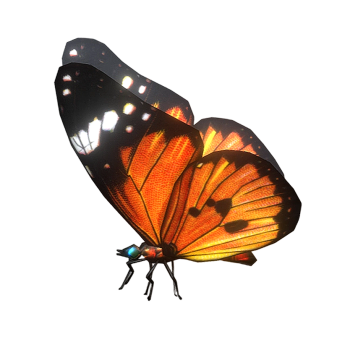
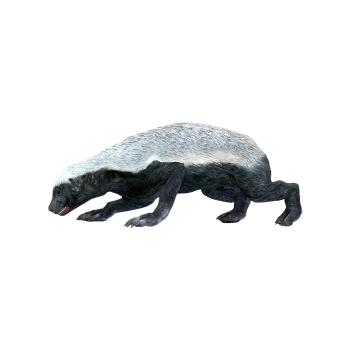
Honey Badger (3D animated model)
192 View
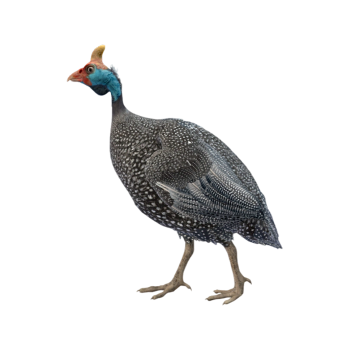
Guinea fowl (3D animated model)
163 View
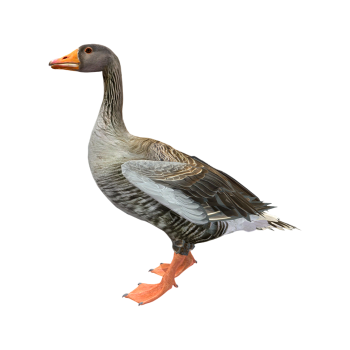
Wild Goose (3D animated model)
185 View
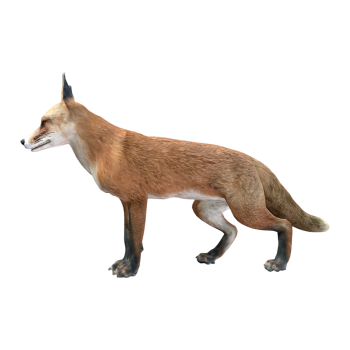
Red Fox (3D animated model)
153 View
Random Model

Indoor coffee cart
473 View

Building block toy
162 View
Bedside table
508 View

Double Ring Swing Chair
504 View

Skull model of a kanglion
362 View
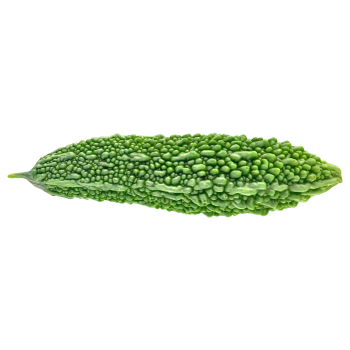
Bitter gourd
355 View
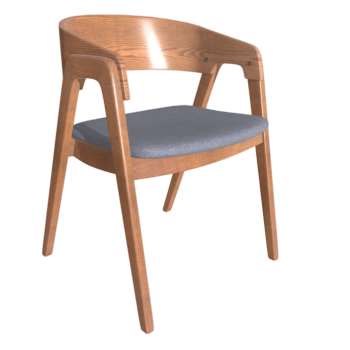
Aldern dining chair with armrest
591 View
TV cabinet
511 View
Luxury Sofa
458 View